


Safe Practices for Residential Battery Recycling
Recycling household batteries helps protect the environment and prevents potential safety hazards. Many communities offer drop‑off programs through retailers, municipal facilities, or designated recycling centers.
Check local guidelines to learn where and how to properly recycle batteries in your area.

How To Properly Recycle Your Batteries
Disposing of household batteries is simple when you follow the proper steps. These battery recycling guidelines are designed to generate awareness to keep your community safe while protecting the environment.

Find Local Battery Disposal Sites
Locate convenient battery drop‑off sites in your area.
Prepare Your Batteries
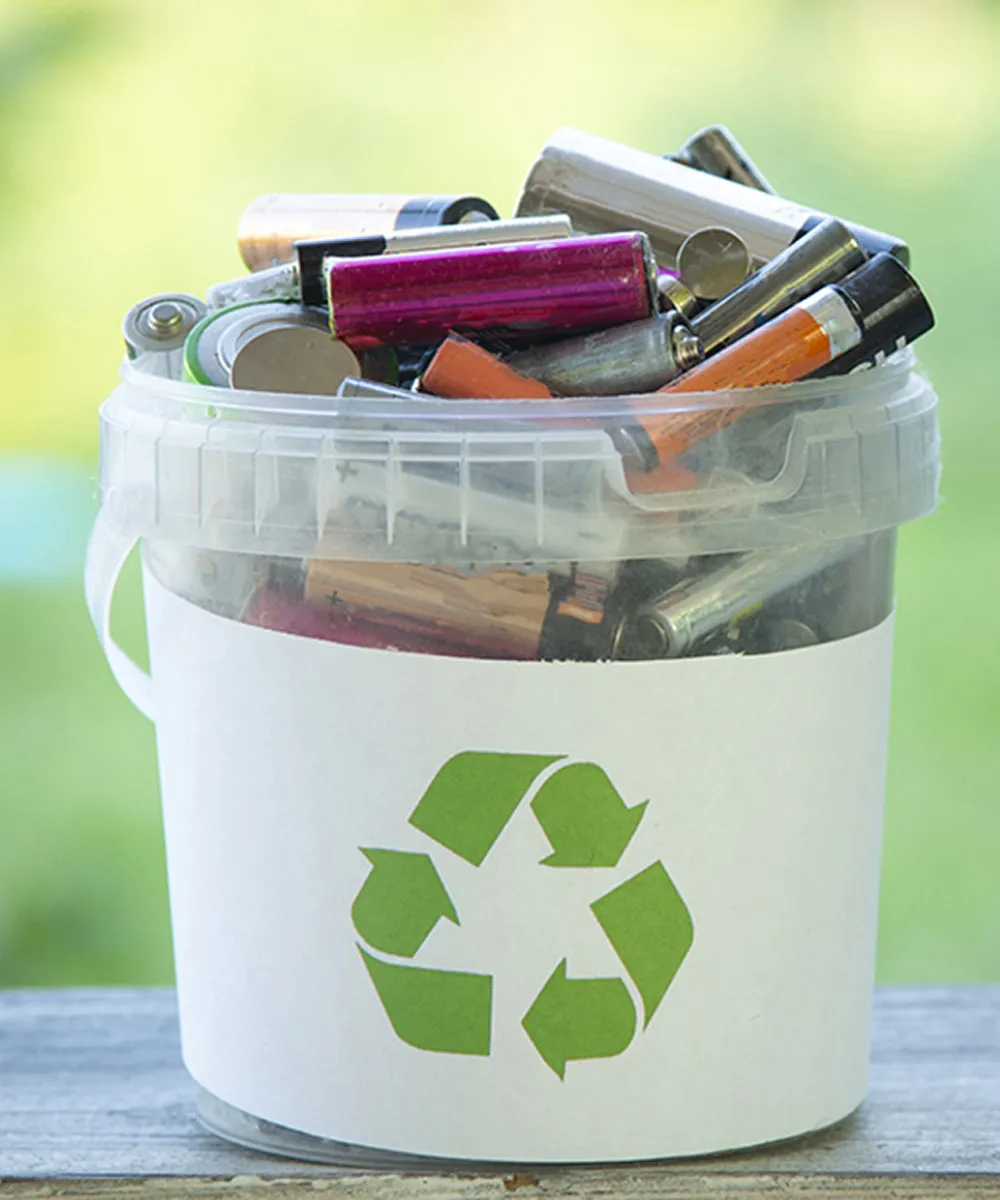
Store used batteries in non-metallic containers such as plastic, cardboard, or glass. These materials do not conduct electricity, helping reduce fire risk in the event of a spark. Never place batteries in a recycling or trash can.
Battery Drop‑Off and Material Recovery
Batteries dropped off at designated locations are sent to authorized recycling facilities, where materials are safely processed and recovered for reuse.
What is Battery Recycling?
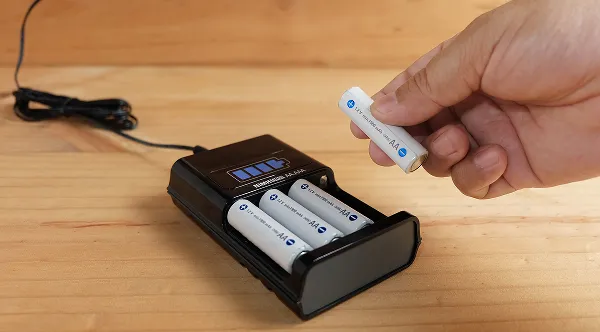
Battery recycling is the process of collecting and processing used batteries to recover valuable materials, such as metals, and to prevent hazardous substances from entering landfills.
Improper battery disposal can pose serious safety hazards, including the risk of fires from damaged batteries in household trash or recycling bins.
Proper battery recycling reduces environmental risks and supports sustainable waste management practices. Many household batteries contain materials that can be recovered and reused in manufacturing, helping conserve natural resources and reduce pollution.

Benefits of Battery Recycling
How Batteries Can Cause Fires
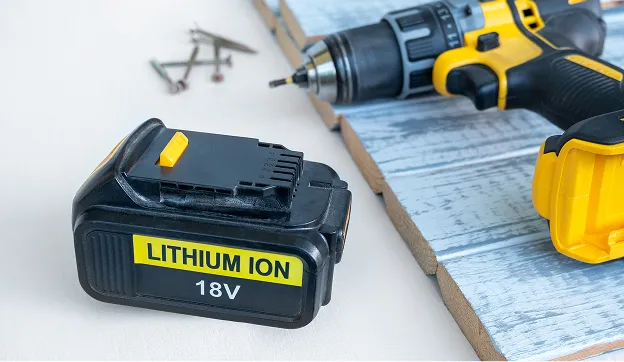
Improperly discarded batteries can pose a significant fire hazard. When batteries, especially lithium‑ion types, are thrown into household trash or regular recycling bins, they can be crushed, punctured, or exposed to heat during collection or processing.
This damage can cause the battery to short‑circuit, overheat, or enter thermal runaway, a reaction that can quickly ignite nearby materials. Even small household batteries can spark fires in garbage trucks, recycling facilities, and landfills, making safe handling and proper recycling essential for community safety.
Have E‑Waste You Need to Recycle?

Electronic Disposal "E-Waste" Services
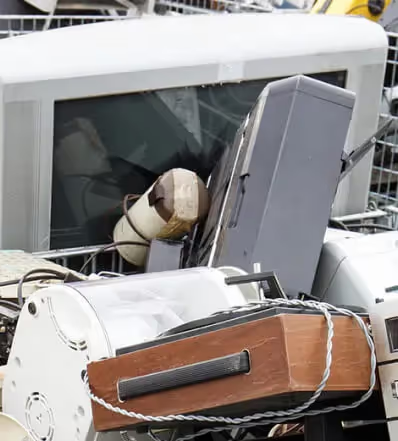
Learn about proper disposal options for TVs, monitors, and other common household electronics.
Check Out Our Landfill and Transfer Station Services
We work with businesses of all sizes and all sectors across the United States and Canada, helping them decide which waste collection and management services and recycling services best fit their needs. Check out our services below.
.webp)
.webp)
.webp)

FAQs About Battery Recycling
Contact one of our professionals to get more information regarding which option is the best for you.