Reliable Solid Waste Management for Your Household or Business
Experience dependable solid waste management that simplifies garbage collection for households, businesses, and neighborhoods.
Getting Started With Solid Waste Service
Managing your waste is simple with our streamlined solid waste management process. Each step is designed to ensure safe, efficient, and reliable service for your home or business.
Confirm Service Availability
Check whether solid waste disposal services are available in your location and view straightforward pricing.
Enroll in a Service Plan
Choose a plan that meets the needs of your household or business and complete your account setup.

Receive Regular Waste Pickup
After setup, our team manages routine garbage collection according to your service schedule.
What is Solid Waste Management?
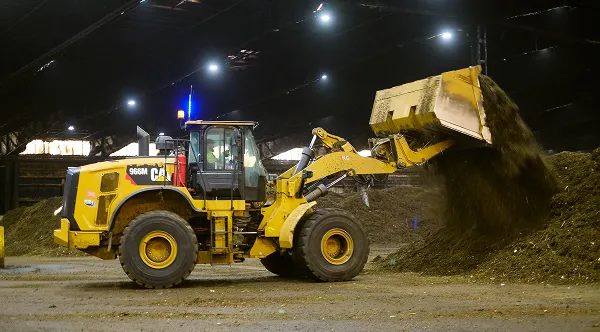
Solid waste management involves the collection, transportation, processing, recycling, and disposal of solid materials generated by households, businesses, and industrial facilities.
Effective solid waste management reduces environmental risks, protects public health, and supports responsible resource use. By following proper waste handling practices, communities can reduce landfill waste and increase opportunities for recycling and material recovery.
.webp)
Benefits of Professional Solid Waste Management
Types of Solid Waste Handled
Acceptable and unacceptable items vary by location. Please contact your local office for details.
Acceptable Items
- Household Waste:Â Paper, cardboard, plastics, textiles, and general household trash.
- Construction & Demolition Debris: Concrete, bricks, wood, drywall, and roofing materials.
- Yard Waste:Â Grass, leaves, branches, and other landscaping debris.
- Large Appliances:Â Refrigerators, stoves, and washing machines (some may require an additional fee).
Unacceptable Items
- Batteries
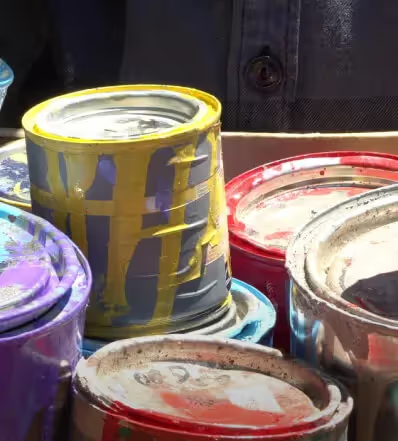
- Chemicals
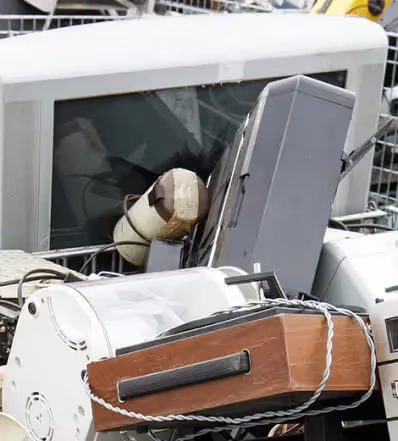
- Electronics
FAQs About Solid Waste Management
Solid waste refers to everyday materials discarded by households, businesses, and industrial facilities. This includes paper, plastics, food scraps, packaging, yard debris, and construction materials.
Through proper solid waste management, these materials are collected, transported, recycled, or disposed of safely to reduce environmental impact and protect public health.
Effective solid waste management helps communities reduce landfill overflow, prevent pollution, and protect air and water quality.
Proper solid waste disposal also minimizes health risks, supports recycling efforts, and ensures compliance with local and federal regulations. When cities invest in professional solid waste disposal service solutions, they create cleaner and more sustainable neighborhoods.
Solid waste types vary by source, but common categories include paper, plastics, glass, metals, food, textiles, yard trimmings, construction & demolition debris, electronic waste (E-Waste), hazardous waste, medical/clinical waste, industrial waste, and recyclables, often categorized by material or risk for management purposes.
You can dispose of your solid waste with Waste Connections by enrolling in one of our professional solid waste disposal services in your area.
Start by checking availability, selecting the right container size, and scheduling regular collection. Also, check out our solid waste recycling program to help divert recyclable materials from landfills and support sustainable waste management practices.
Cities face several challenges in solid and waste management, including:
- Increasing Waste Volumes
Growing populations and urbanization create more waste than many systems were designed to handle.
- Limited Landfill Space
Many cities are running out of landfill capacity, making disposal more difficult and expensive.
- Contamination in Recycling
Improper sorting and contaminated recyclables reduce recycling efficiency and increase processing costs.
Contact one of our professionals to get more information regarding which option is the best for you.

.webp)
.webp)
.webp)